


What Is an Air Motor?
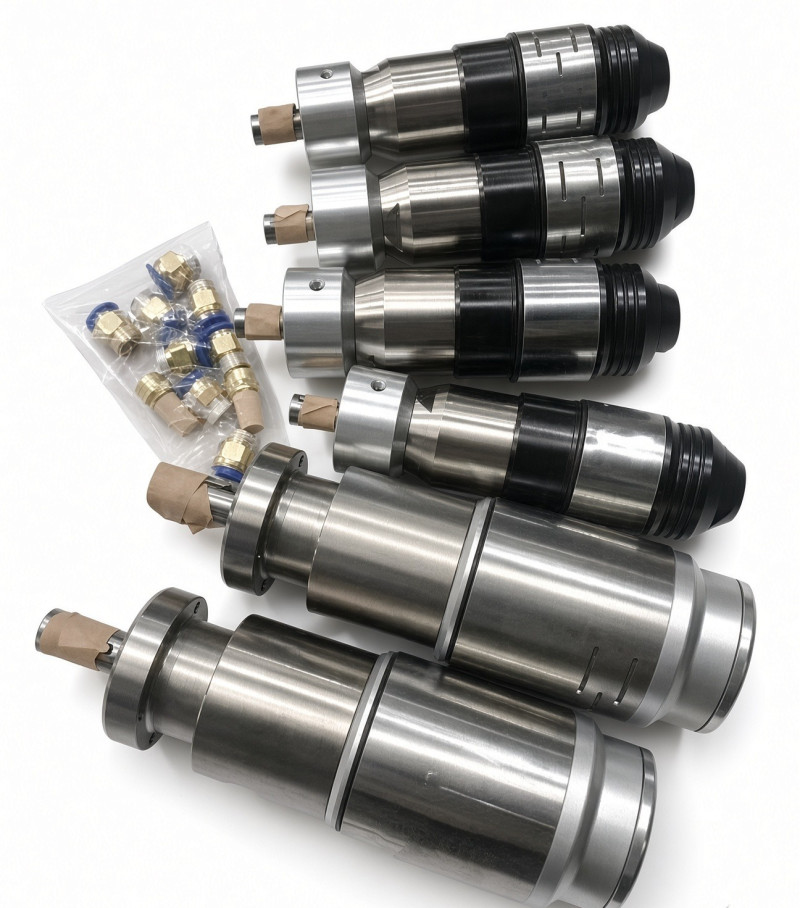
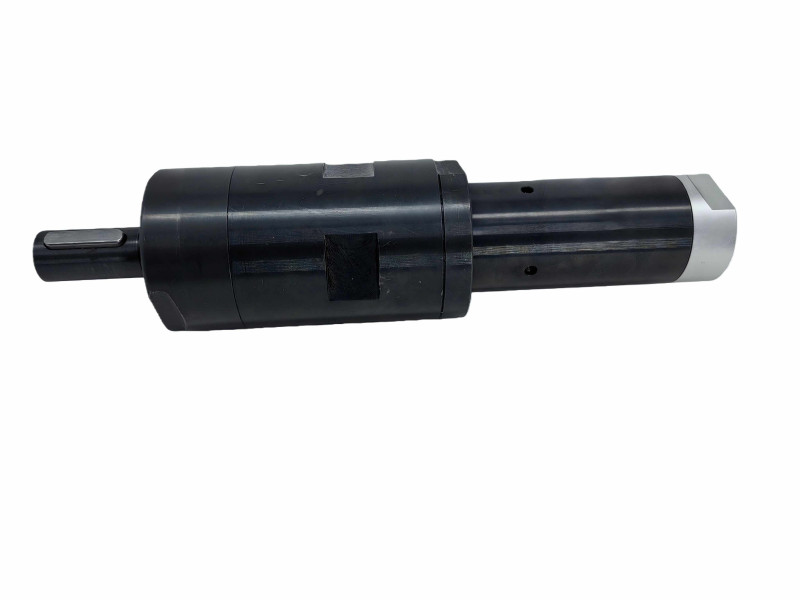
An air motor is a mechanical device that converts compressed air into rotary motion to power industrial equipment and machinery. Also known as a pneumatic motor or compressed air motor, it provides controlled rotational movement for applications that require reliable performance, variable speed, and frequent start-stop operation.
Unlike an electric motor, an air motor uses compressed air as its power source. The air enters the motor and acts on internal components, such as vanes or pistons, generating movement that rotates the output shaft. This motion can be used to operate pumps, conveyors, mixers, material handling equipment, and other industrial systems.
Types of Air Motors for Industrial Applications
Different air motor types offer different operating characteristics depending on their mechanism, speed, and output requirements. SAN Industrial offers vane, piston, and geared configurations to support a variety of industrial applications.
Vane Air Motor
A vane air motor uses a rotor and sliding vanes to convert compressed air into rotary motion. It is worth considering for applications requiring relatively high rotational speeds and variable-speed operation. Check the required RPM, torque, and air consumption when selecting a model.
Piston Air Motor
A piston air motor uses compressed air to drive pistons, converting their movement into rotary output. It can suit applications requiring specific low-speed and torque characteristics. SAN Industrial offers polymer-piston and metal-piston configurations for different operating requirements.
Geared Air Motor
A geared air motor combines a pneumatic motor with a gearbox to provide the required output speed and torque. It can be useful when the driven equipment needs a lower output speed than a direct-drive motor provides.
Air Motor Comparison Table: Key Specifications and Selection Considerations
|
Motor category |
What to compare |
Selection consideration |
|
Vane air motor |
RPM, power, torque, air consumption |
High-speed or variable-speed requirements |
|
Polymer piston air motor |
RPM, torque, pressure, air consumption |
Application-specific piston motor requirements |
|
Metal piston air motor |
RPM, torque, power, air consumption |
Required operating speed and load |
|
Geared pneumatic motor |
Gear ratio, output RPM, torque |
Lower-speed or geared-output requirements |
Industrial Applications of Pneumatic Air Motors
A pneumatic air motor can provide rotary power for industrial equipment where compressed air is an appropriate energy source. The right motor depends on the equipment's load, operating speed, torque and working environment.
Common applications include:
- Material handling: Drives for suitable conveying and handling equipment.
- Mixing and agitation: Rotary drives for compatible mixers and process equipment.
- Pumping systems: Motor drives selected according to pump load and operating requirements.
- Packaging machinery: Drives for equipment requiring controlled rotary movement.
- Industrial automation: Pneumatic drives for compatible production and assembly processes.
A high speed air motor may suit equipment requiring elevated shaft RPM, while geared configurations can be more appropriate where reduced output speed and higher torque are required. Always confirm the motor's performance specifications against the actual application.
How to Choose the Right Air Motor
When comparing air motor manufacturers, look beyond the headline horsepower or maximum RPM. Select a motor based on the operating point required by your equipment.
- Speed: Identify the required shaft RPM under load.
- Torque: Confirm the starting and running torque needed.
- Power: Match motor output to the driven equipment's requirements.
- Air pressure: Check the pressure available at the motor during operation.
- Air consumption: Ensure the compressed-air supply can meet the motor's demand.
- Configuration: Choose between vane, piston, and geared designs.
- Installation: Check shaft type, mounting, rotation direction, and environmental conditions.
Comparing these factors helps you shortlist a suitable compressed air motor for your equipment and avoid selecting a motor based on an unsuitable maximum rating.
Frequently Asked Questions
1. What is an air motor?
An air motor converts compressed-air energy into mechanical rotary motion. It is used to drive compatible industrial equipment and machinery.
2. What are the different air motor types?
Common industrial air motor types include vane, piston, and geared motors. They differ in their operating mechanisms, speed characteristics, and output requirements.
3. What is a pneumatic air motor used for?
Pneumatic air motors can power suitable pumps, mixers, material-handling equipment, packaging machinery, and other industrial rotary drives.
4. What is the difference between a vane air motor and a piston air motor?
Vane and piston motors use different internal mechanisms and have different performance characteristics. Compare their speed, torque, power, and air consumption at the required operating conditions.
5. How do I choose a high speed air motor?
Check the required operating RPM under load, available torque, power, operating pressure, and air consumption. Do not select a motor on free speed alone.
6. How do I choose between air motor manufacturers?
Compare the available motor range, verified performance specifications, technical documentation, application support, and availability of suitable models.