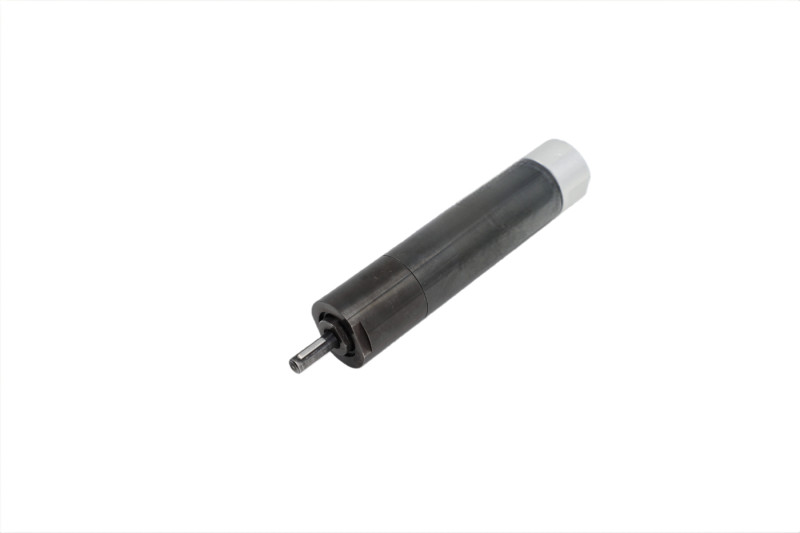
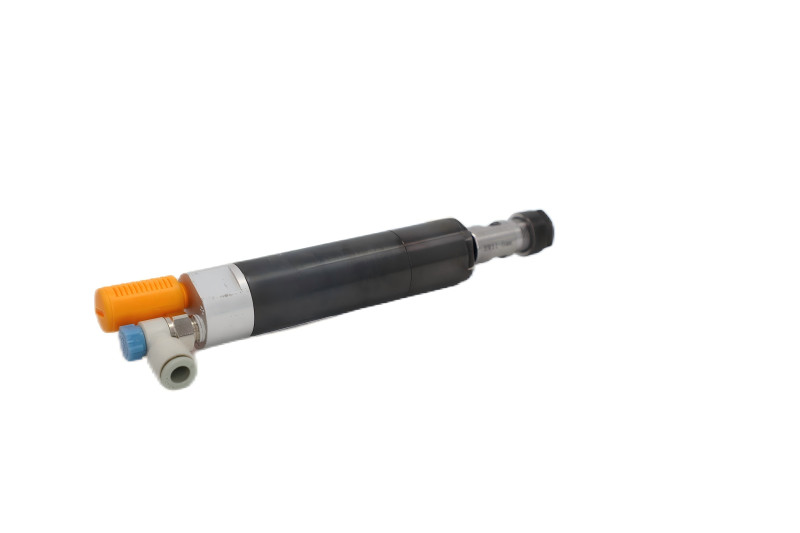
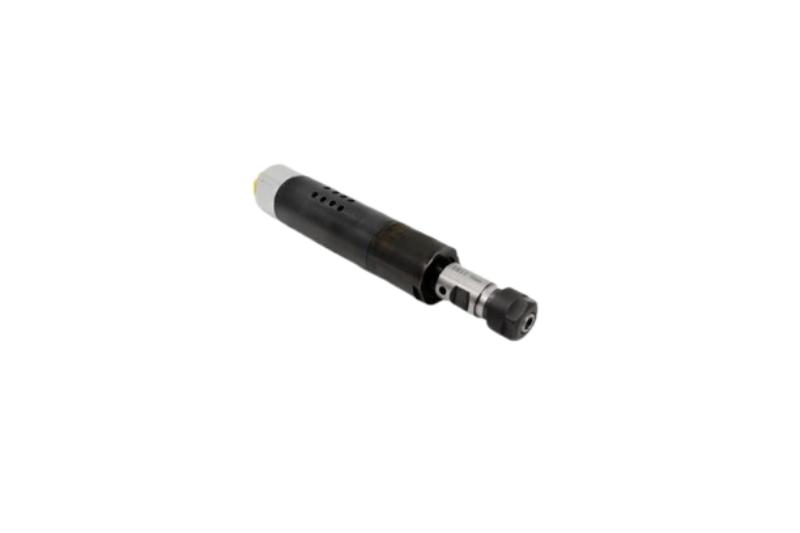
SAN MV Series Vane Air Motor - SAN MV01 AR005 - AR140
₹ XXXX INR + GST
What Is a Vane Air Motor?
A vane air motor is a pneumatic motor that converts compressed-air energy into rotary mechanical power. It uses a rotor and sliding vanes to generate rotational movement when compressed air enters the motor. This design provides a compact and efficient solution for applications that require reliable rotary power.
A vane type air motor is particularly useful where variable speed, compact construction, and dependable operation are required. The SAN MV01 is designed to provide pneumatic rotary power for industrial machinery and equipment.
How Does a Vane Air Motor Work?
A pneumatic vane motor operates by converting compressed-air pressure into rotary motion. Compressed air enters the motor and acts on the vanes mounted around an eccentrically positioned rotor. As the pressure difference moves the vanes, the rotor turns and transfers mechanical power through the output shaft.
This operating principle allows a pneumatic motor to provide continuous rotary motion without relying on electrical power, making it suitable for various industrial machinery and pneumatic equipment.
1. Compressed Air Entry
Compressed air enters the motor and creates pressure against the internal vanes.
2. Rotor Movement
The pressure causes the vanes and rotor to rotate inside the motor housing.
3. Torque Generation
The rotating rotor converts pneumatic energy into usable mechanical torque.
4. Rotary Power Output
The output shaft transfers the generated rotary power to the connected equipment.
Features of SAN MV01 Vane Air Motor
The SAN MV01 vane air motor is designed to provide reliable rotary power for pneumatic equipment and industrial machinery. Its compact design and high-speed operating capability make it suitable for applications requiring efficient compressed-air power.
- Compact Design: The MV01 provides pneumatic rotary power in a compact motor configuration, making it suitable for equipment with limited installation space.
- High-Speed Operation: With a free speed of up to 13,000 r/min, the pneumatic vane motor is suitable for applications requiring high rotational speed.
- Variable Operating Speed: The MV01 can operate across a speed range of 250–7000 r/min at maximum output, depending on application conditions.
- Efficient Pneumatic Power: The motor converts compressed air into rotary mechanical power for compatible machinery and equipment.
- Reliable Rotary Performance: The vane-based operating design provides continuous rotary motion for suitable industrial applications.
- Compact Power Output: With an output of 0.11 kW / 0.15 hp, the MV01 provides a practical pneumatic air motor solution for compact industrial equipment.
- Industrial Applications: The MV01 can be integrated into machinery requiring a compact industrial air motor for pneumatic rotary operation.
Benefits of the SAN MV01 Vane Air Motor
Compact Pneumatic Power
The MV01 provides a compact source of rotary power for machinery where installation space is limited.
High-Speed Operation
Its high-speed capability makes the vane air motor suitable for applications requiring rapid rotary movement.
Reliable Rotary Performance
The vane-based design provides continuous rotary operation for suitable industrial applications.
Pneumatic Operation
The motor uses compressed air instead of electrical power, making it a practical compressed air motor for compatible pneumatic systems.
Versatile Industrial Use
Its compact design and pneumatic operation make the MV01 suitable for a variety of equipment requiring an industrial air motor.
Applications of the SAN MV01 Vane Air Motor
The MV01 can be integrated into machinery and equipment where compact pneumatic rotary power is required. Common application areas for a pneumatic air motor include:
- Industrial machinery
- Material handling equipment
- Conveying systems
- Mixing and agitation equipment
- Packaging machinery
- Pneumatic automation systems
- Processing equipment
- Machinery requiring variable-speed rotary operation
The MV01 pneumatic motor can be selected for equipment where compressed-air operation provides a suitable alternative to conventional electric drive systems.
How to Select the Right Vane Air Motor
Selecting the right vane air motor requires matching the motor's performance characteristics with the requirements of your application. Consider the following factors before choosing a suitable model:
Required Output Power: Determine the power required by the connected equipment and select a motor with an appropriate output rating.
- Operating Speed: Check the required operating speed and ensure the motor can deliver the desired speed under actual working conditions.
- Torque Requirements: Consider the starting and running torque required to operate the connected machinery effectively.
- Air Supply: Verify the available compressed-air pressure and flow rate to ensure the pneumatic air motor can operate as required.
- Air Consumption: Compare the motor's air consumption with your available compressed-air capacity to support consistent operation.
- Installation Space: Check the motor dimensions, shaft configuration, and mounting requirements to ensure proper integration with the equipment.
- Application Requirements: Consider the operating environment, duty cycle, and type of machinery where the industrial air motor will be installed.
- Motor Configuration: Choose a suitable pneumatic motor based on the required rotation, speed, torque, and overall application requirements.
For the SAN MV01, review the available speed, torque, output power, and air-consumption specifications to determine whether it matches your equipment requirements. If you are unsure which vane air motor configuration is suitable, consult SAN Industrial with your application and operating requirements.
Vane Air Motor vs. Other Pneumatic Motors
A vane air motor uses compressed air to rotate a rotor fitted with sliding vanes, converting pneumatic energy into mechanical rotary power. Other pneumatic motor designs use different internal mechanisms and can provide different combinations of speed, torque, size, and operating characteristics.
|
Feature |
Vane Air Motor |
Other Pneumatic Motors |
|
Operating principle |
Uses a rotor with sliding vanes |
Operating mechanism varies by motor type |
|
Power source |
Compressed air |
Compressed air |
|
Output |
Rotary mechanical power |
Rotary or other mechanical output depending on design |
|
Speed capability |
Well suited to applications requiring high rotational speed |
Depends on motor design and model |
|
Speed control |
Speed can be adjusted through the pneumatic system |
Depends on motor type and system configuration |
|
Compactness |
Compact design suitable for many machinery applications |
Varies according to motor construction |
|
Typical applications |
Industrial machinery, automation, and pneumatic equipment |
Applications vary according to motor type |
Frequently Asked Questions
What is a vane air motor?
A vane air motor is a pneumatic motor that converts compressed-air energy into rotary mechanical power using a rotor and sliding vanes.
How does a pneumatic vane motor work?
A pneumatic vane motor uses compressed air to act on vanes mounted around a rotor. The resulting pressure difference rotates the rotor and generates mechanical output.
What is a vane type air motor used for?
A vane type air motor is used in machinery and equipment requiring compact, reliable rotary power from compressed air.
What is a pneumatic motor used for?
A pneumatic motor is commonly used to provide rotary motion in industrial machinery, automation equipment, material handling systems, and other pneumatic applications.
What is a compressed air motor?
A compressed air motor is a motor that uses compressed air as its power source to generate mechanical movement, commonly rotary motion.
Is the MV01 suitable for industrial applications?
Yes. The SAN MV01 is designed as an industrial air motor for machinery and equipment requiring compact pneumatic rotary power, subject to the application's operating requirements and motor specifications.
Product Variation
| Image | SKU | max output power | speed at max output | torque at max output | min starting torque | stall torque | free speed | air consumption at max output | net weight | Action |
|---|---|---|---|---|---|---|---|---|---|---|
| 0.11 kW / 0.15 hp | 250 r/min | 4.3 Nm / 3.2 lb-ft | 6.9 Nm / 5.1 lb-ft | 8.6 Nm / 6.3 lb-ft | 490 r/min | 3.6 l/s / 7.6 cfm | 0.33 kg / 0.73 lb | |||
| 0.11 kW / 0.15 hp | 410 r/min | 2.6 Nm / 1.92 lb-ft | 4.2 Nm / 3.1 lb-ft | 5.2 Nm / 3.8 lb-ft | 800 r/min | 3.6 l/s / 7.6 cfm | 0.33 kg / 0.73 lb | |||
| 0.11 kW / 0.15 hp | 1020 r/min | 1.03 Nm / 0.76 lb-ft | 1.67 Nm / 1.23 lb-ft | 2.1 Nm / 1.5 lb-ft | 2000 r/min | 3.6 l/s / 7.6 cfm | 0.30 kg / 0.66 lb | |||
| 0.11 kW / 0.15 hp | 1690 r/min | 0.62 Nm / 0.46 lb-f | 1.01 Nm / 0.74 lb-ft | 1.24 Nm / 0.91 lb-ft | 3400 r/min | 3.6 l/s / 7.6 cfm | 0.30 kg / 0.66 lb | |||
| 0.11 kW / 0.15 hp | 7000 r/min | 0.15 Nm / 0.11 lb-ft | 0.24 Nm / 0.18 lb-f | 0.3 Nm / 0.22 lb-f | 13000 r/min | 3.6 l/s / 7.6 cfm | 3.0 l/s / 0.66 cfm |